Resources From PositivePsychology.com
We have many CBT exercises available for therapists wishing to support individuals and groups facing emotional and behavioral challenges. You can make a start with our dedicated article exploring our favorite CBT techniques and worksheets.
More extensive versions of the following tools are available with a paid subscription to the Positive Psychology Toolkit©, but they are described briefly below.
- Behavioral Activation
Behavioral activation offers an effective technique for decreasing depressive symptoms by encouraging clients to embrace activities that provide them with experiences of pleasure or a sense of mastery. Try out the following four steps:
- Step one – Log existing activity levels.
- Step two – Categorize each one as energy giving or draining.
- Step three – Identify which activities offer pleasure or a sense of mastery.
- Step four – Find opportunities to engage in more energy-giving activities throughout the week.
- Daily Exceptions Journal
This exercise combines traditional CBT with positive psychology by encouraging clients to focus on what is right, rather than wrong, in their lives.
The technique enables the client and therapist to better understand the problems the client faces and the contexts in which they occur.
Complete a daily exceptions journal by answering a series of questions, including:
What has improved today, even if just a little bit?
What did I do differently to improve things?
When didn’t I experience the problem today?
When was the problem less of a problem?
What could I continue to do to make improvements?
If you’re looking for more science-based ways to help others through CBT, this collection contains 17 validated positive CBT tools for practitioners. Use them to help others overcome unhelpful thoughts and feelings and develop more positive behaviors.
A Take-Home Message
Therapists, clients, and researchers confirm the value of CBT for supporting individuals, couples, and families wishing to move away from unhelpful or even harmful feelings and behaviors.
CBT is diverse and evolving. It represents a convergence of behavioral strategies and cognitive processes continually integrating insights from neuroscience, positive psychology, and mindfulness-based interventions to enhance its effectiveness and adaptability.
The ongoing transformation enables CBT to address various mental health challenges while working alongside and complementing other therapeutic approaches (Dobson & Dozois, 2021).
Such versatility and broad applicability mean it is highly valued in various populations, including those facing depression, mood disorders, anxiety, post-traumatic stress disorder, eating disorders, and anxiety.
CBT exercises and techniques take many forms and have a range of purposes, including managing stress, replacing unhelpful thoughts, goal setting, boosting performance and self-esteem, and improving resilience (Riggenbach, 2021).
But like other therapies, it has its challenges. Ultimately, the therapeutic alliance is vital. The therapist and client must see the work as a partnership built on trust where open dialogue is essential.
Whether you are a trained cognitive behavioral therapist or other mental health practitioner, it is vital to understand the potentially damaging impact of clients’ unhelpful thoughts. Once recognized, it is possible to bridge theory and practice by designing practical CBT exercises that help clients overcome these unwanted thoughts and make meaningful life improvements.
We hope you enjoyed reading this article. For more information, don’t forget to download our five positive psychology tools for free.
ED: Rewrite Apr 2025
 For many clients, cognitive behavioral therapy (CBT) has been life changing, enhancing their psychological wellness, workplace performance, and relationships (Werson et al., 2022).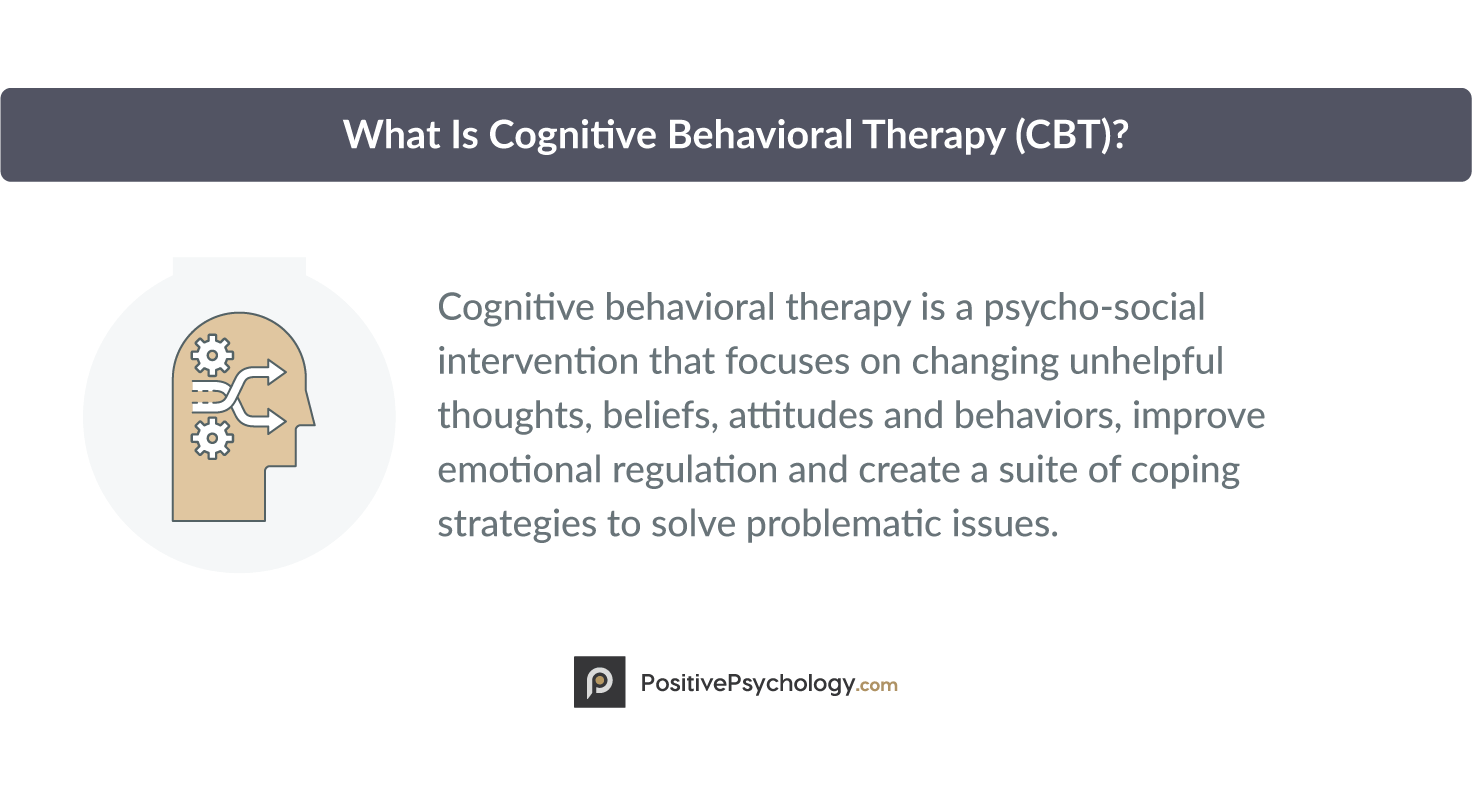
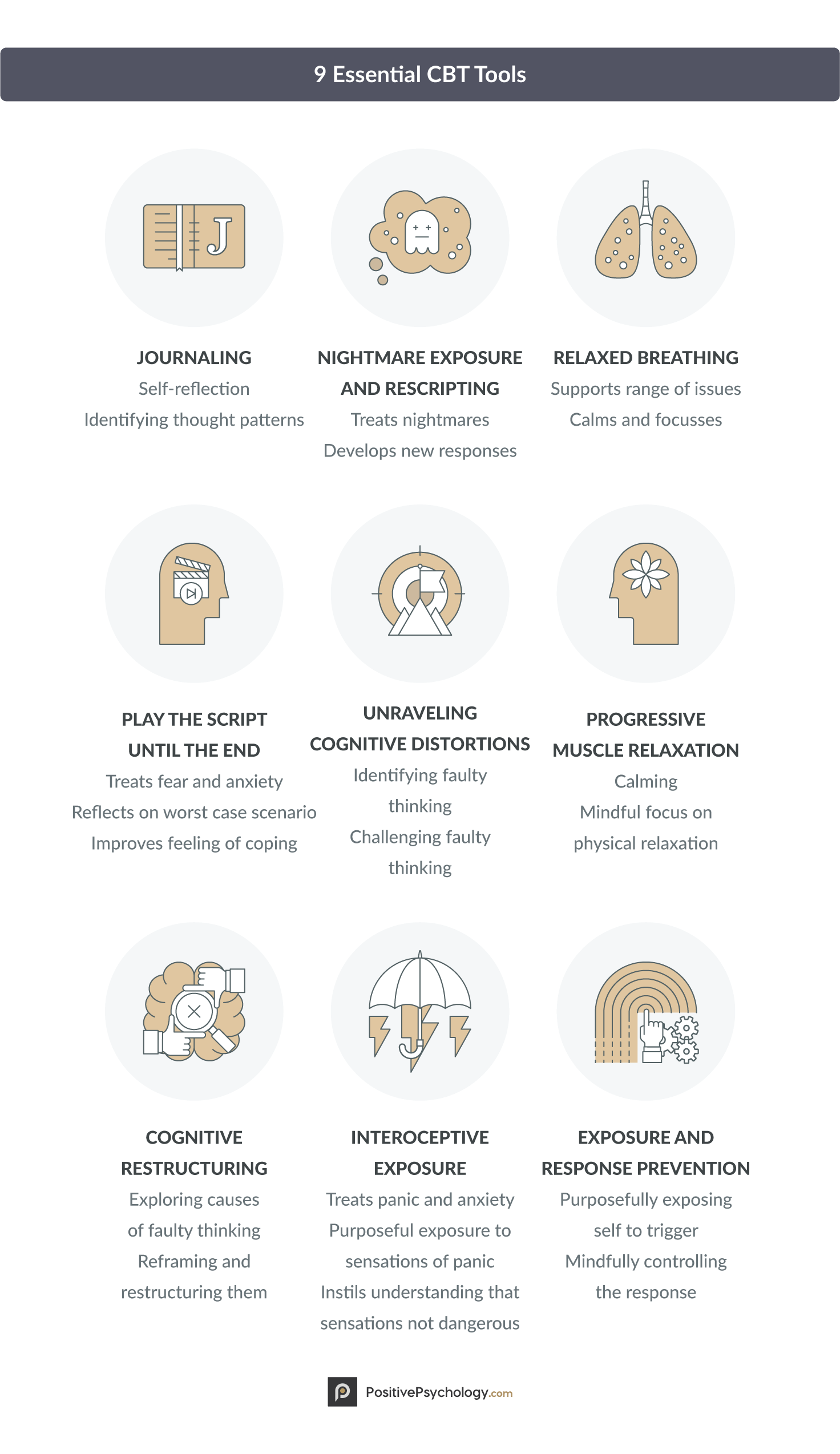
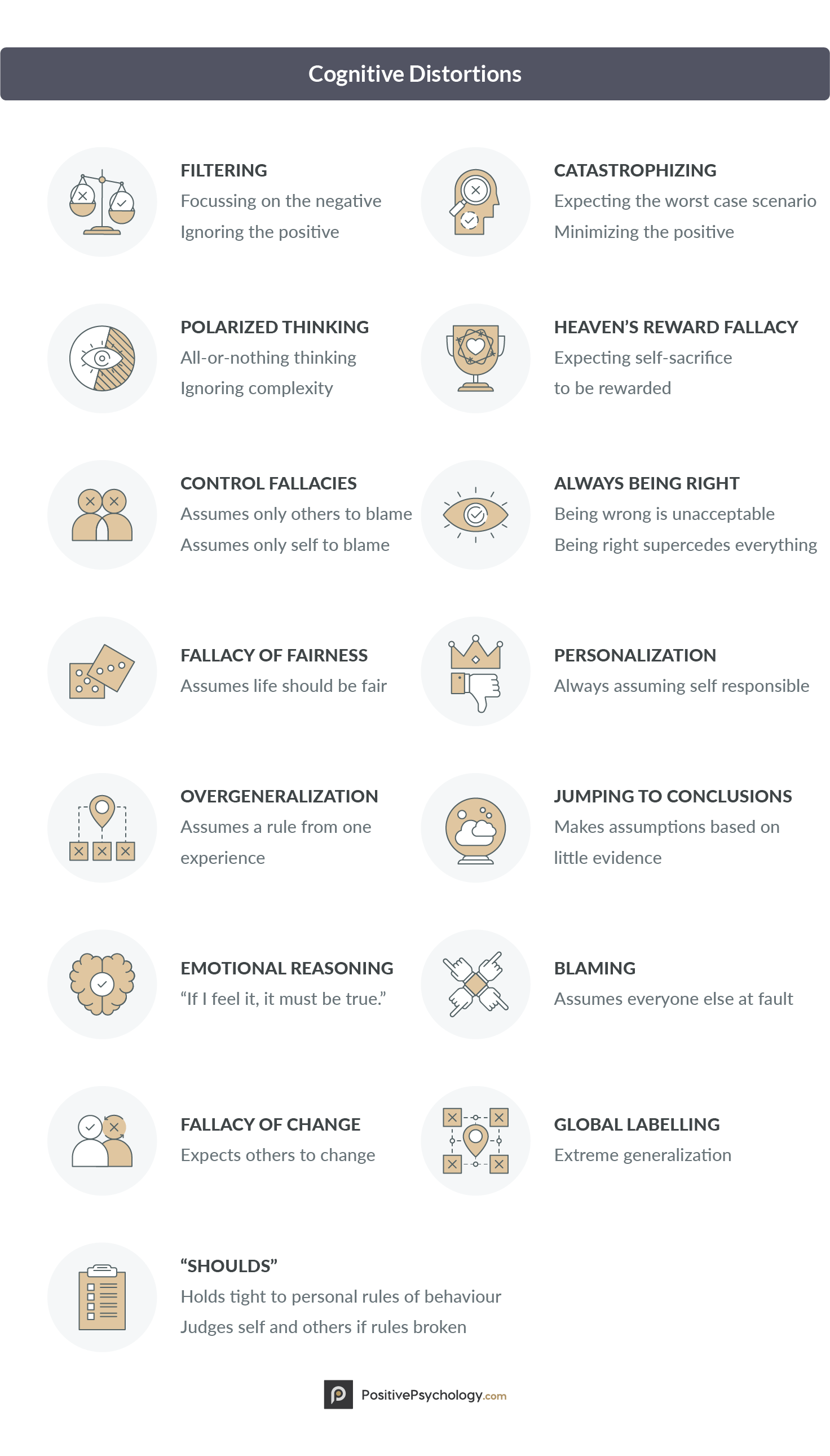

 CBT has evolved over the years to meet the needs of various groups and support multiple issues. However, despite their broad applicability, CBT interventions typically fit into one or more of the following (Dobson & Dozois, 2021):


What our readers think
I love it.
¡Estupendos aportes! Gracias por compartir este trabajo.